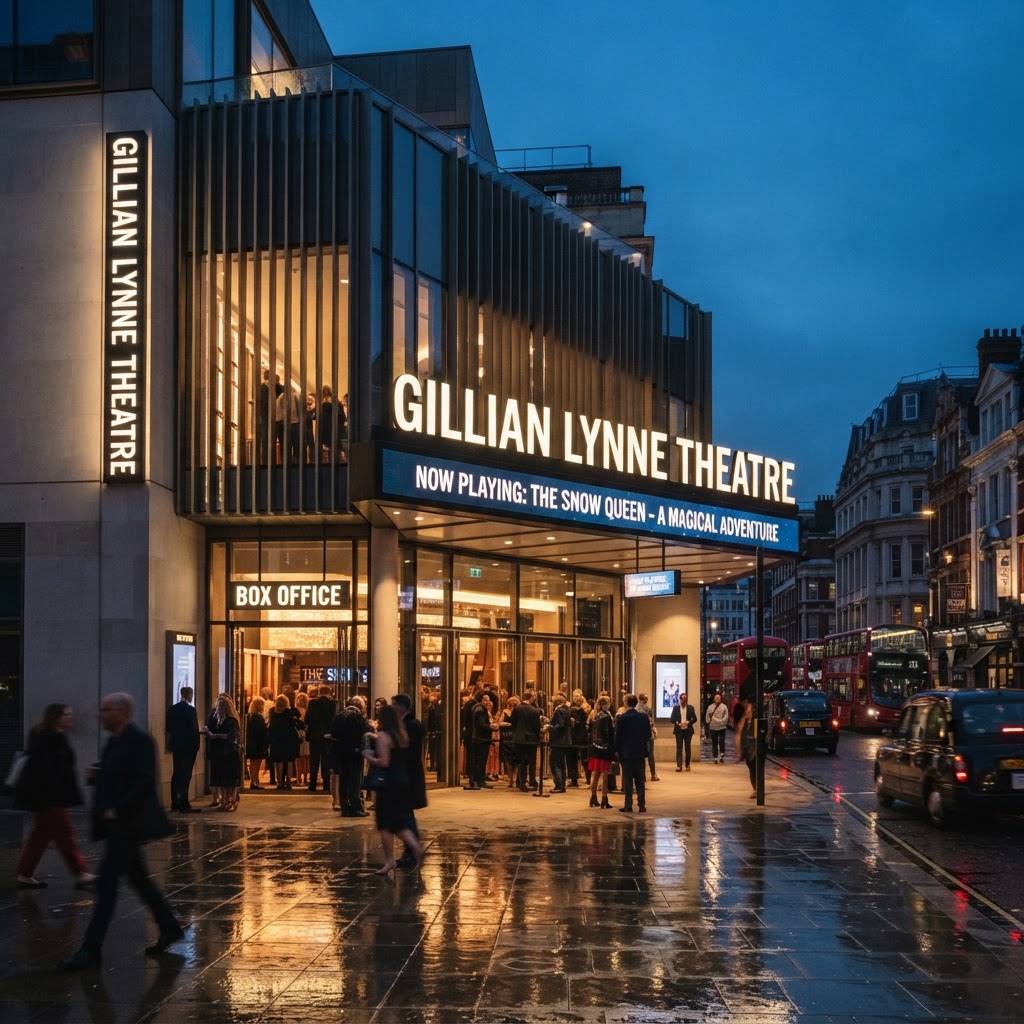
Sondheim Theatre London: The Shaftesbury Avenue Home of Les Miserables
A theatre with one of the West End's strongest modern identities
The Sondheim Theatre is one of the most recognisable venues on Shaftesbury Avenue, largely because of its association with Les Miserables. For many audiences, the theatre and the musical are now closely linked. It is one of those West End buildings where the show feels woven into the venue's identity.
The theatre opened in 1907 as the Queen's Theatre and was later renamed the Sondheim Theatre in 2019 after a major refurbishment. The new name honours Stephen Sondheim, one of the most important figures in musical theatre.
This gives the venue an interesting dual identity. Architecturally and historically, it is an Edwardian West End theatre. Culturally, it is a modern musical landmark connected to one of the longest-running productions in theatre history.
From Queen's Theatre to Sondheim Theatre
The original Queen's Theatre was designed by W. G. R. Sprague, one of the most significant theatre architects of the period. It opened as a companion to the neighbouring theatre now known as the Gielgud.
The building suffered serious bomb damage during the Second World War, and its later restoration meant the theatre carried both Edwardian and post-war layers in its design story. In 2019, it underwent a major refurbishment and reopened as the Sondheim Theatre.
The Sondheim is a theatre shaped by damage, restoration, reinvention and musical theatre legacy.
That makes it more than just another Shaftesbury Avenue venue. It is a building that reflects the interruptions and recoveries of London theatre across the 20th and 21st centuries.
The Les Miserables connection
Les Miserables has become central to the theatre's public identity. The musical transferred to the venue after many years at the Palace Theatre and has continued to attract audiences from around the world.
The show's themes of revolution, sacrifice, poverty, justice and hope give it an emotional scale that suits a major West End house. It is a production that many people book not just as entertainment, but as a theatrical rite of passage.
Seeing Les Miserables at the Sondheim Theatre also places audiences within a wider cultural story. This is one of London's defining long-running shows, and the theatre has become part of that continuity.
Why Shaftesbury Avenue matters
Shaftesbury Avenue is one of the key streets in London theatreland. The Sondheim's location places it close to Soho, Chinatown, Leicester Square, Piccadilly Circus and Covent Garden. For audiences, that means the evening can be built in many different ways.
You can eat in Soho, meet friends near Leicester Square, have a quick meal in Chinatown or walk in from Covent Garden. The theatre is surrounded by options, which is useful when planning for couples, families or groups.
The area is also extremely busy. This is not the place for people who want to glide through silent streets in contemplative pre-theatre calm. Shaftesbury Avenue is lively, crowded and unmistakably West End.
Who should visit the Sondheim Theatre?
Fans of Les Miserables and long-running musicals.
First-time visitors looking for a major West End experience.
Theatre-goers interested in restored historic venues.
Groups wanting a central location near Soho and Leicester Square.
Audiences who want emotional, large-scale musical theatre.
The Sondheim is particularly strong for people who want theatre to feel significant. Whether you are seeing Les Miserables for the first time or returning after many years, the venue supports the sense of occasion.
Practical tips before you go
As with any major West End theatre, check your seats carefully before booking. The Sondheim has been refurbished, but seating preference remains personal. Some people want proximity; others prefer a wider view of staging.
Review the seating plan and view notes before booking.
Allow extra time for crowds around Shaftesbury Avenue.
Book restaurants ahead, especially for weekend performances.
Use Piccadilly Circus, Leicester Square or Tottenham Court Road depending on your route.
Confirm access arrangements directly with the theatre if needed.
Because the theatre is so central, it is easy to underestimate how busy the final few minutes of the journey can be. Arriving early is rarely a mistake.
Why the Sondheim Theatre stands out
The Sondheim Theatre stands out because it combines heritage with one of the strongest musical identities in London. It is a restored Edwardian theatre, a Shaftesbury Avenue landmark and a home for a show that has become part of the West End's global reputation.
For My Box Office members, it is a venue worth knowing not only because of what plays there, but because of what it represents: resilience, reinvention and the enduring public appetite for emotionally powerful musical theatre.
Some theatres are famous for their architecture. Some are famous for one defining show. The Sondheim Theatre manages to be both.